




Post Views: 22
Source: Photo by Zhivko Minkov on Unsplash
When I see patients with serious Mental health issues, they often speak of their genetic burden: “My father had bipolar disorder”, “my grandmother was schizophrenic”, “my aunt has severe depression”. My patients feel their psychiatric destiny weighing them down, as though there is no hope for recovery or cure in light of their heredity. But the genetics of all psychiatric diagnoses are complex and not easy to understand, even for doctors and scientists. I try to explain it like this:
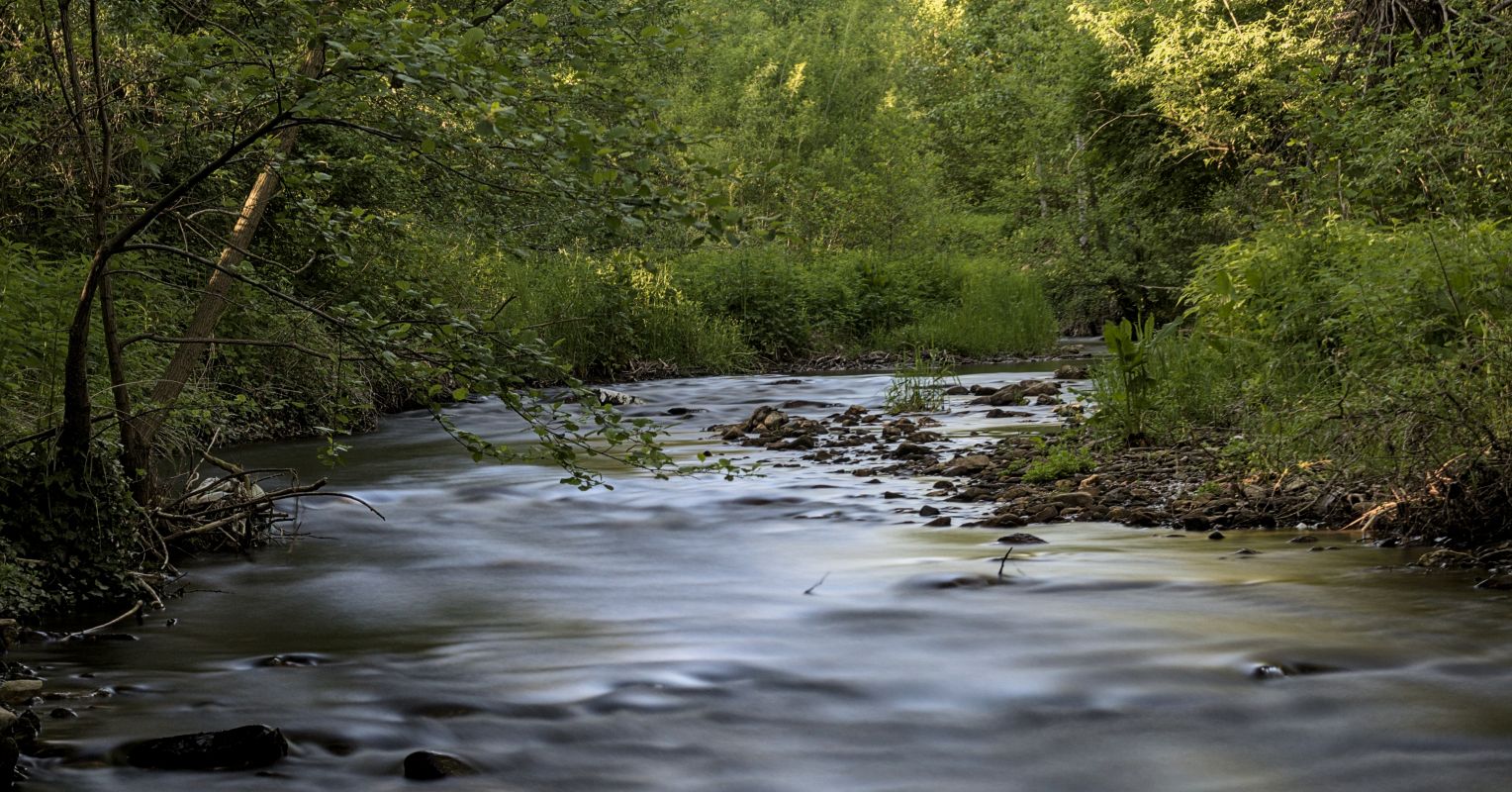
- Psychological development is like a river flowing along its course. From birth, our psychological maturation runs along healthy developmental lines like a river. Unimpeded, the river flows smoothly, and genetic predispositions towards illness may not be realized. A baby born into a family with emotionally healthy parents in a financially secure position, in a neighborhood without conflict, in a part of the world with geopolitical stability, might grow up psychologically healthy no matter their genetics. Whatever vulnerabilities they have to psychiatric disorders are not exploited by the environment and so lie dormant and unexpressed.
- When the river is dammed, pressure builds up behind it. Along our own rivers of development, sometimes life erects a dam of abuse, neglect, war, disease, poverty, cruelty, or conflict. As the pressure builds behind the dam, water finds new paths, and flows from areas of higher resistance to areas of lower resistance. Our own development will similarly follow paths of least resistance.
- Our genetics are the areas of lower resistance. This is where genetic vulnerability might come in. The vulnerabilities behave metaphorically like dry streambeds that absorb the river’s runoff – areas where our genetic heritage acts as an area of lower resistance. One person’s genetic makeup might lead the river to flow towards an eating disorder; for someone else it may flow into substance abuse. It could flow into a psychotic disorder, or OCD. If her psychological development is left undisturbed, a child might grow up healthy and well-adjusted. But once the river is dammed, she will find herself experiencing the symptoms consistent with her area of lowest resistance.
- Genetics are not the only inheritance from our family. Sometimes the “genetic vulnerability” is something more complicated; perhaps some genetic contribution but also learned patterns of behavior. A child watching her depressed mother or alcoholic father might develop these same coping mechanisms, or coping mechanisms in direct response to those of her parents. Is that genetics, or behavioral learning? And then there is the added complexity of epigenetics — changes to gene activity without permanent changes to the DNA. Epigenetics describes how trauma, adversity, stress, and so on can influence which genes in our DNA are activated or not, thus changing us biologically through influences from our environment. Both behavioral learning and epigenetics illustrate how complex interactions between our genes and environment shape which streams emerge after the open river is dammed.
- Adaptations to life. Nature is constantly adapting to new constraints. We, as part of nature, do the same. While a dam along our river might lead us towards illness determined at least in part by our genetics, it can also lead to healthy modifications. A newer concept in psychology is post-traumatic growth – that while some find themselves damaged by trauma, others experience psychological growth as a consequence. This idea is closely related to resilience. If for some, the dam forces them down paths of genetically predisposed illness, for others, the dam offers an opportunity to change direction and create a more adaptive course.
- Treating the dam, not the streams. What does this mean for treatment? I think of psychiatric medications as widening the banks of the river, so that some water gets around the obstruction. But I believe that therapy and other activities that lead to meaning-making have the ability to actually dismantle the dam. As we make new meaning of our life, we begin to remove the sticks and branches slowly, allowing the dam to eventually weaken and wash away. Then the water flows back through the river, and can continue along the original, or perhaps an improved, course.
To find a therapist, visit the Psychology Today Therapy Directory.