




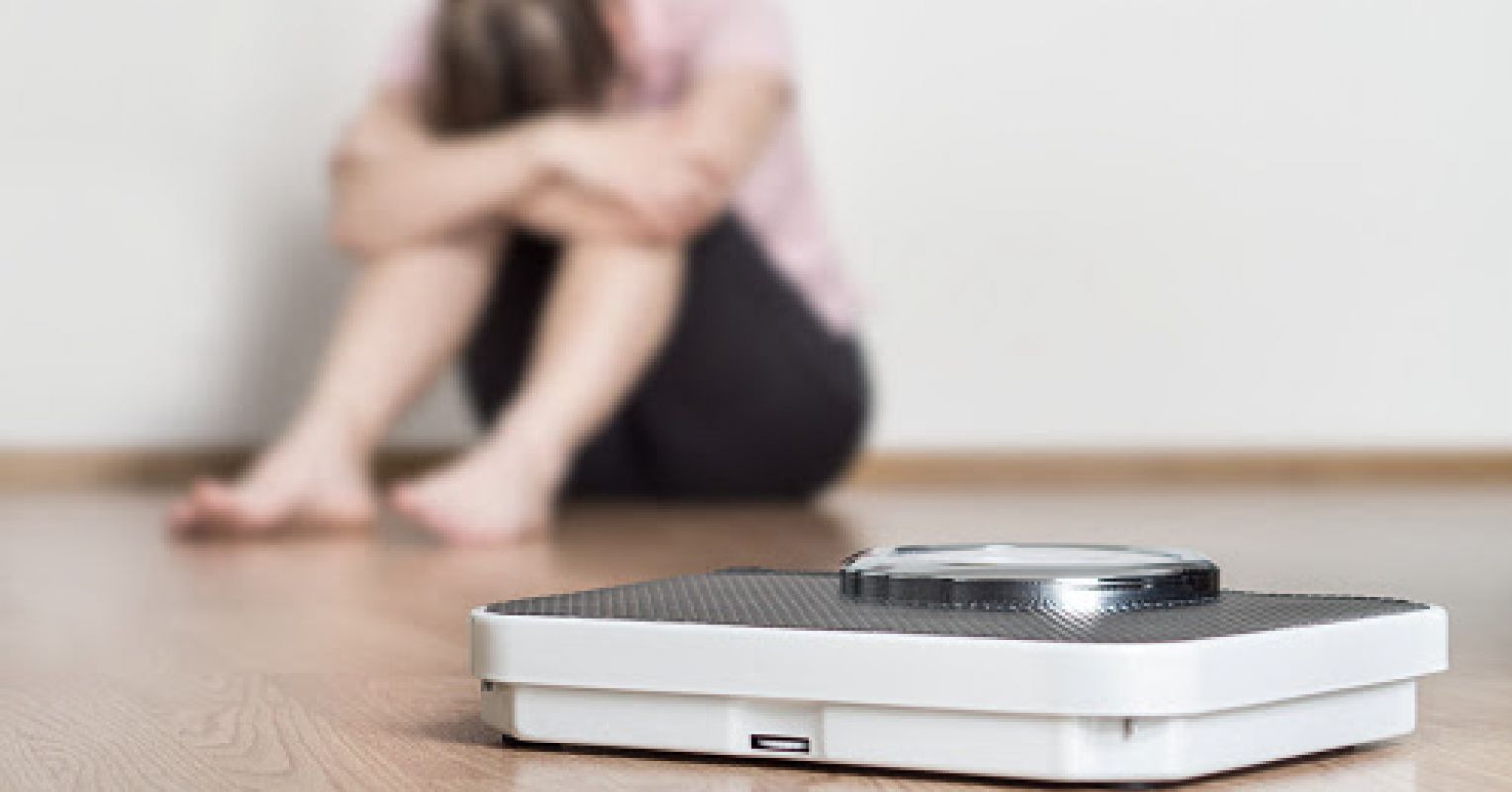
The goods on game-changing GLP-1 and semaglutide weight loss medications, and 6 steps to a healthy approach to weight loss and management. In a world where we are bombarded with social media influencers and celebrities using their sizable audiences to impart their experiences, thoughts, and unsolicited advice, there is no substitute for sound medical advice and a solid, evidence-based approach to weight loss and long-term weight management.
The ever-expanding array of GLP-1 and semaglutide prescription weight loss medications is surpassed only by the plethora of sensationalized misinformation of miracle cures, magic bullets. What the new weight loss drugs are not is a simple, one-stop solution to a complex and often lifelong challenge.
Here is a brief overview of GLP-1 and semaglutide weight loss medications, their benefits, risks, and side effects, and a seven-step approach to help determine whether a weight-loss prescription medication might be right for you.
A brief history / a promising future
This class of medications was developed in the early 2000s to treat Type 2 Diabetes. Later, in 2019, it was approved for the treatment of obesity. Since that time, usage has soared a whopping 700 percent. At present, close to 12 percent — that’s one person in eight —of Americans have used these new mediations. According to a recently published Gallup National Health and Well-being Index, obesity rates in America have declined from 39.9 percent in 2022 to 37 percent in 2025, translating to approximately 7.6 million fewer people in America suffering from obesity.
As for the future of weight loss prescription medications, in the first week following the launch of a new Wegovy pill in January of this year, it was prescribed to more than 18 thousand Americans, a clear indication of a robust interest in this category of drug. With the recent publication of the World Health Organization’s latest guidelines for use in combating obesity, this category of drug is likely to continue to grow. Furthermore, current studies also indicate the potential for effective treatment of cardiovascular and other conditions.
How these medications work
In a nutshell, GLP-1 medications (also referred to as GLP-1 antagonists and/or glucagon-like peptides) mimic a naturally occurring GLP-1 hormone, which is released in the intestine minutes after we eat. This hormone triggers the release of insulin, which helps manage blood glucose levels and makes us feel full, (sated). The difference between the effect of our naturally occurring hormone and the medications is in the duration of the feeling of fullness.
The naturally occurring hormone signals fullness for a very short time, while the hormonal effects of the weight-loss medications last far longer, resulting in reduced feelings of hunger, reduced food noise — intrusive thoughts and ruminations related to food and consumption —slowed gastric emptying, and reduced hunger.
Benefits and Risks
The ability of these new weight loss medications to support weight loss is a clear, significant, and unquestionable benefit. The risks of obesity include widely recognized cardiovascular impacts and Type 2 Diabetes, and lesser known impacts of chronic inflammation, Mental health impacts, including depression, low self-esteem, and anxiety, and other health conditions that negatively impact one’s quality of life and longevity. The significant decrease in obesity in American adults since 2022 (as mentioned earlier) stands as a testament to the key benefit of these medications. A 2024 study identified positive impacts on participants’ Mental health, including increased control over eating habits and behaviors, including weight cycling, also known as yo-yo dieting.
Mild to severe side effects
Mild side-effects of these medications include gastrointestinal discomfort (nausea, vomiting, diarrhea, constipation, and/or bloating). Also of concern is the loss of muscle mass of individuals on these medications, though this can be mitigated with nutrition and exercise. More serious, though rare, side effects include gallbladder disorders and acute pancreatitis. Though extremely rare, a recent rise in deaths in the UK from pancreatitis related to the use of GLP-1 medications is raising concerns. A recent study reports rapid weight gain after discontinuing weight-loss medications. Finally, of serious concern is the potentially long-term and possibly life-long commitment to these medications. Little to date is known of the long-term impacts of these mediations.
There is no question that GLP-1 and semaglutide weight loss drugs offer people struggling with obesity a new sense of hope for a healthier future. Developing knowledge of how these drugs work in consultation with medical professionals, alongside a lifelong commitment to overall health and well-being, is key to successful long-term weight loss.
A Healthy Approach to Long-term Weight Loss and Management
Familiarize yourself with how GLP-1 and other new weight loss medications work. (Rely on respected sources, with expert insights, and commentary.) Talk to your GP about whether this category of medications could help you achieve your weight management and wellness goals. Discuss your concerns and your long-term goals. Set healthy, realistic, and sustainable weight-loss goals in consultation with your doctor. Commit to lifestyle changes, such as incorporating nutrient-rich foods into your diet, following an exercise regimen that includes resistance training to counteract muscle loss, and ongoing monitoring of your progress by your clinician. Reflect on your unhealthy narratives, and habits related to food. Since weight gain is often related to maladaptive thoughts, when we reframe our thoughts, we are better able to sustain
healthy habits and choices around food and nutrition.
Pay attention to both your mental and physical health. Consult your physician if you are experiencing low moods, anxiety, or struggling to cope with lifestyle changes or intrusive thoughts. Your GP or family doctor can refer you to a Mental health professional.