




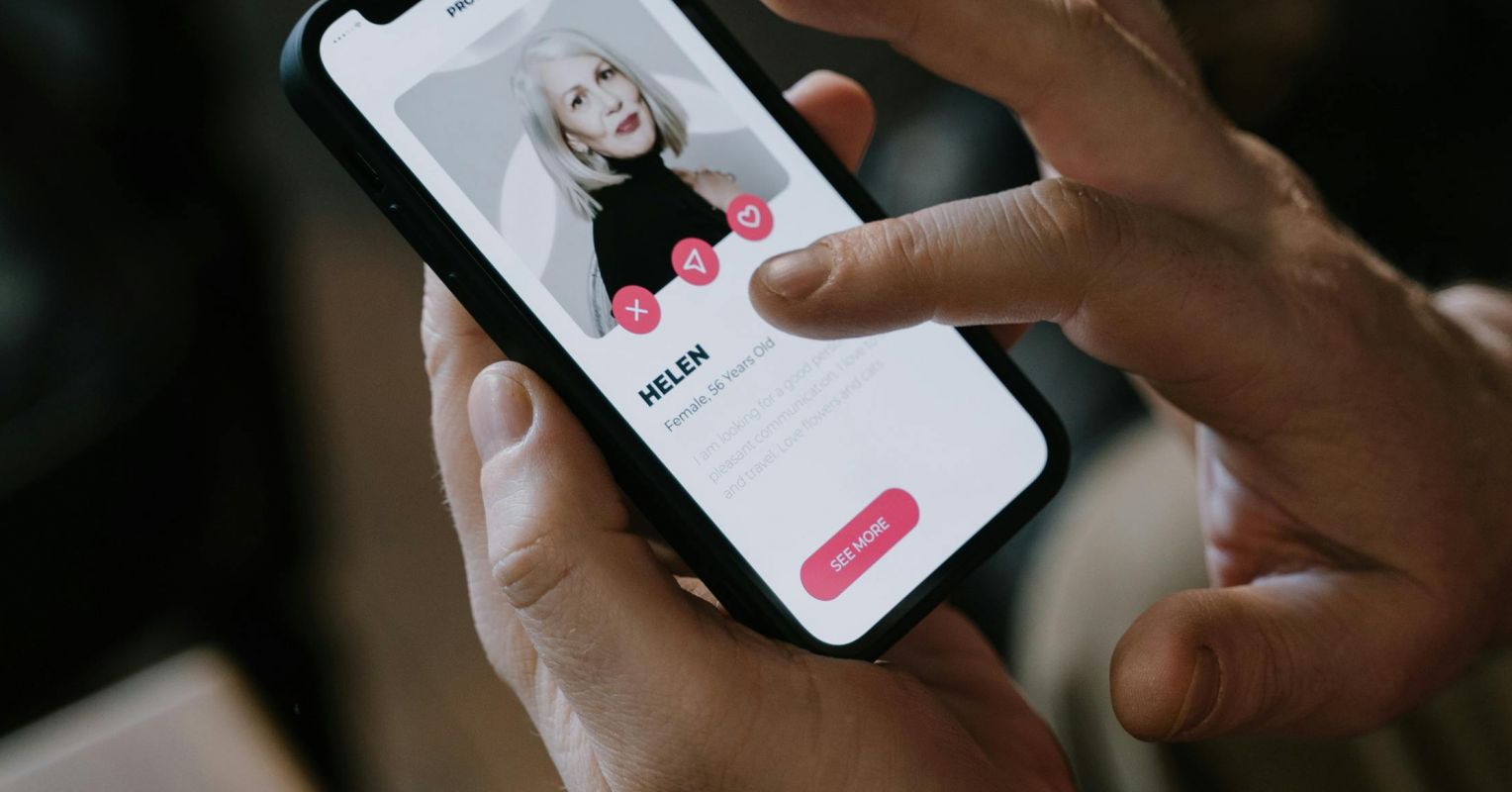
Dating applications were originally promoted as technologies of connection. Platforms such as Tinder, Bumble, and Hinge promised to modernize romance by making attraction more efficient, accessible, and personalized. Geography became less important, social circles expanded, and millions of people gained access to potential partners they may never have encountered through traditional social environments. For many individuals, these platforms have indeed facilitated companionship, meaningful relationships, and marriage. Yet alongside these successes, an increasingly important psychological question has emerged: what if dating apps are not only changing how people meet, but also reshaping how people perceive themselves, evaluate others, and experience intimacy itself?
A growing body of contemporary research suggests that dating app use may be associated with loneliness, body dissatisfaction, anxiety, compulsive engagement, emotional exhaustion, depressive symptoms, and lower psychological well-being (Sharabi et al., 2025; Cela & Wood, 2026). A recent systematic review examining dating app use and Mental health outcomes found that a substantial proportion of studies reported significant negative relationships between dating app engagement and body image, self-esteem, and psychological well-being. Although these findings remain largely correlational, the consistency of the evidence has prompted researchers to increasingly question whether the architecture of dating apps may amplify pre-existing insecurities, social comparison, rejection sensitivity, and self-objectification.
The Accelerated Marketplace of Visual Evaluation
Importantly, the issue is not simply rejection. Romantic rejection has always existed. The deeper concern is that some dating app environments may transform human interaction into a highly accelerated marketplace of visual evaluation, comparison, and disposability. In offline life, attraction is often gradual and multidimensional. Individuals become attractive through warmth, humour, emotional safety, vulnerability, intelligence, familiarity, and shared experiences over time. Someone who initially appears average may become deeply appealing through conversation, kindness, confidence, or emotional compatibility. Dating apps, by contrast, frequently compress this complexity into simplified digital signals: photographs, age, height, occupation, location, and carefully curated biographies.
This environment encourages users to make rapid judgments within seconds. Recent research suggests that many users now strategically construct profiles designed to maximize algorithmic desirability and social attention, often through selective self-presentation, filtered imagery, and impression management techniques (Bowman et al., 2026). Over time, people may begin experiencing themselves less as multidimensional individuals and more as profiles competing within an attention economy. This process is psychologically significant because repeated exposure to appearance-centred evaluation environments may subtly reshape how users understand self-worth and human value.
Researchers increasingly argue that image-centred dating platforms may contribute to self-surveillance and self-objectification, where individuals begin evaluating themselves primarily through attractiveness and perceived “market value” (Bowman et al., 2026). Matches, likes, replies, and engagement become social indicators of desirability. Visibility itself becomes a form of validation. Some users report repeatedly changing photographs, rewriting biographies, concealing perceived flaws, or anxiously monitoring response rates in an effort to remain competitive within the platform environment. Under such conditions, rejection may no longer feel temporary or situational. Instead, it may become internalized as evidence of personal inadequacy or diminished desirability.
Emotional Consequences of Digital Dating Environments
Clinical discussions surrounding dating app use increasingly highlight the emotional consequences of this constant evaluative environment. A recent clinician-oriented review noted that dating apps may intensify self-esteem problems, body dissatisfaction, anxiety, and emotional distress, particularly among individuals already vulnerable to insecurity or social comparison. The review further suggested that repeated exposure to ghosting, appearance-based rejection, inconsistent communication, and unstable validation may contribute to emotional exhaustion and compulsive app engagement.
Another major psychological concern involves the logic of abundance embedded within dating applications. Users are continuously exposed to the possibility that someone slightly more attractive, entertaining, intelligent, or compatible may always exist one swipe away. While this abundance initially appears empowering, recent evidence suggests it may reduce satisfaction rather than increase it (Sharabi et al., 2025). Emotional investment can weaken when alternatives remain permanently visible. Users may disengage from potentially meaningful conversations simply because another profile appears momentarily more stimulating or visually appealing.
This contributes to what researchers increasingly describe as “swiping fatigue” or “dating burnout” (Cela & Wood, 2026). Many users report feeling emotionally drained despite unprecedented access to social interaction. Ironically, technologies designed to increase connection may sometimes intensify loneliness and dissatisfaction rather than reduce them. Balki (2025), for example, argues that some dating app algorithms may unintentionally amplify loneliness, particularly among men, by sustaining engagement through intermittent validation while failing to facilitate a stable emotional connection.
The reward architecture of dating apps may partly explain why these patterns become psychologically difficult to escape. Many platforms operate through persuasive design systems similar to social media environments, where unpredictable rewards sustain engagement. A sudden match, a flattering message late at night, or an unexpected increase in attention can produce short-term emotional highs that encourage repeated swiping behaviour. Over time, users may continue engaging not necessarily because they are building meaningful intimacy, but because the process itself becomes psychologically stimulating.
Validation vs. Intimacy in Digital Dating
This distinction is critical because validation is not intimacy. A person may receive dozens or even hundreds of matches and still feel profoundly lonely because emotional depth, trust, consistency, vulnerability, and genuine relational investment remain absent. This helps explain why many users simultaneously report hyperconnectivity and emotional isolation. Research examining the Mental health effects of dating apps increasingly suggests that the pursuit of validation through swiping-based environments may produce only temporary emotional relief while intensifying longer-term dissatisfaction.
Another growing concern involves the normalization of disposability within digitally mediated relationships. In traditional social environments, interpersonal behaviour was often constrained by overlapping social networks and social accountability. Ghosting, abrupt withdrawal, or emotionally ambiguous behaviour carried reputational consequences. Dating apps significantly reduce many of these social frictions. Users can disappear instantly, disengage rapidly, or move on to new interactions with minimal accountability.
Over time, this may cultivate relational habits characterized by lower empathy, reduced patience, and avoidance. Minor imperfections that would normally be tolerated in face-to-face interactions, awkward humour, nervousness, delayed responses, conversational anxiety, or small incompatibilities, may trigger immediate dismissal because alternatives remain endlessly available. Some researchers now argue that dating apps may unintentionally encourage people to perceive others less as emotionally complex individuals and more as replaceable profiles within an infinite stream of options.
This environment may also encourage unrealistic expectations surrounding attraction and emotional immediacy. Some users begin expecting instant chemistry, constant stimulation, and perfectly curated interaction from the earliest stages of communication. Yet meaningful relationships often emerge slowly through vulnerability, emotional patience, conflict navigation, imperfection tolerance, and shared human experience. By prioritizing speed and novelty, some dating apps may unintentionally weaken the psychological conditions necessary for authentic intimacy to develop.
Importantly, vulnerability to these mechanisms is not limited to emotionally immature individuals. Even highly educated, emotionally intelligent, and psychologically informed users remain susceptible because the underlying processes are fundamentally human: loneliness, uncertainty, comparison, belongingness needs, reward sensitivity, hope, and fear of rejection. Awareness of persuasive technology does not necessarily neutralize its emotional effects.
The Need for Critical Attention on Dating Apps
This does not mean dating apps are inherently harmful or should be rejected outright. For many individuals, including geographically isolated users, marginalized communities, busy professionals, and people with niche identities or preferences, dating apps provide valuable opportunities for connection that might otherwise remain inaccessible. However, the broader psychological implications of these technologies deserve more critical attention than they currently receive.
The issue is not simply technology itself, but the relational logic embedded within many platform designs: speed over depth, quantity over quality, novelty over patience, stimulation over vulnerability, and visibility over emotional presence.
The broader societal implications may extend beyond dating culture alone. Digital environments do not merely shape behaviour; they shape emotional habits, expectations, and perceptions of human value. If individuals become increasingly accustomed to evaluating others through rapid, appearance-centred, and transactional frameworks, this may gradually reshape how intimacy, empathy, commitment, and emotional connection are understood more broadly.
The greatest danger may therefore not be wasted time or disappointing conversations. It may be the gradual normalization of viewing human beings as endlessly replaceable.